
Peru is a country that offers far more than ancient ruins and beautiful mountain views. From the mysterious Nazca Lines to the incredible wildlife of the Amazon rainforest, every region has something different to discover. Its traditions, landscapes, food, and history make it one of the most fascinating destinations in South America.
If you are planning a trip or simply want to learn more about this remarkable country, these Fun Facts About Peru will help you understand what makes it so special. You will discover unusual traditions, impressive archaeological sites, unique wildlife, and cultural experiences that many travellers do not know about before arriving.
Whether you dream of exploring Machu Picchu, tasting authentic Peruvian food, or watching wildlife in the rainforest, there is always something new to learn about Peru.
What Makes Peru One of the Most Interesting Countries in South America?
One of the most interesting things about Peru is its geographical diversity. The country has three main geographical regions: the coastal area, the Andes mountains, and the Amazon rainforest. Each region has its own climate, wildlife, food, and cultural traditions.
The coastal region features beaches, cities, and dry desert landscapes. The Andes are known for their mountains, traditional villages, and ancient archaeological sites. Meanwhile, the Amazon rainforest offers dense vegetation, winding rivers, and extraordinary wildlife.
These differences make travelling across Peru an experience filled with discoveries. Here are some fascinating facts that explain why the country attracts visitors from around the world.
1. Why Is Machu Picchu One of Peru’s Most Famous Attractions?
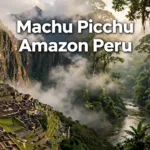
One of the most famous Fun Facts About Peru is that Machu Picchu is an extraordinary example of Inca architecture. Located high in the Andes, this historic site features stone buildings, agricultural terraces, and carefully constructed walls that blend into the surrounding mountain landscape.
Machu Picchu stands approximately 2,430 metres above sea level. Its location between the Andes and the upper Amazon basin also gives the surrounding area remarkable natural diversity.
Although Machu Picchu is often associated with Peru as a whole, it represents only one part of the country’s historical heritage. Cusco, the Sacred Valley, and the ancient city of Caral offer further opportunities to explore Peru’s past.
For travellers, visiting Machu Picchu is an opportunity to appreciate ancient engineering, remarkable architecture, and the natural environment surrounding the site.
2. Did You Know Peru Has Thousands of Potato Varieties?
Peru is famous for its remarkable potato diversity. Potatoes have been cultivated in the Andean region for thousands of years and remain an important part of local food traditions.
Different varieties vary in size, colour, texture, and flavour. You can find potatoes with purple, red, yellow, and dark-coloured skin, alongside varieties suited to different traditional dishes.
This agricultural heritage is one of the more unusual Fun Facts About Peru because it demonstrates how local communities have adapted farming to different altitudes and environments.
Potatoes are used in many traditional dishes, including causa and regional preparations served with meat, vegetables, sauces, or seafood.
If you enjoy discovering a country’s culture through its food, trying locally grown potatoes is a simple way to experience an important part of Peru’s culinary history.
3. What Makes the Nazca Lines So Mysterious?
The Nazca Lines are among the world’s most intriguing archaeological features. Located in the arid coastal region of southern Peru, these enormous designs were created by removing darker surface material to reveal lighter ground beneath.
The designs include animals, plants, geometric shapes, and long straight lines. Some extend for several kilometres across the desert landscape.
Their original purposes continue to interest researchers. Various explanations suggest that some designs may have had ritual, cultural, or astronomical significance, although their precise meanings remain uncertain.
These remarkable figures are among the most unusual facts about Peru because many are difficult to appreciate fully from ground level.
Visitors can explore the surrounding region and, where available, take authorised scenic flights to see the designs from above.
4. How Many Languages Are Spoken in Peru?
Spanish is the most widely spoken language in Peru, but the country’s linguistic diversity goes much further.
Quechua and Aymara are important Indigenous languages, particularly in the Andean region. Other Indigenous languages, including Ashaninka and Shipibo-Konibo, are spoken by communities in the Amazon and other parts of the country.
These languages carry knowledge about local environments, traditional practices, community history, and ways of understanding the world.
Learning a simple greeting in the language spoken by the people you meet can make a travel experience more meaningful. Even a small effort to understand local customs can help visitors connect with communities beyond the usual tourist attractions.
5. Why Is Peru’s Amazon Rainforest So Special?
When people think about Peru, Machu Picchu often comes to mind first. However, the Amazon rainforest is another major reason to visit.
The Peruvian Amazon contains a remarkable variety of habitats, including tropical forests, rivers, wetlands, and oxbow lakes. These environments support numerous species of birds, mammals, reptiles, fish, and insects.
One of the most remarkable Fun Facts About Peru is that the country offers opportunities to experience both high mountain landscapes and tropical rainforest ecosystems within the same trip.
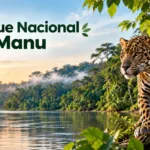
Manu, located in southeastern Peru, is particularly well known for its ecological diversity. Its varied environments provide habitats for a remarkable range of wildlife, including colourful birds, monkeys, giant otters, and other rainforest species.
Travellers interested in wildlife can explore the Best Amazon Tours in Peru to compare guided excursions, accommodation, and opportunities to observe animals responsibly.
If you are planning a longer adventure, a Machu Picchu Amazon Peru itinerary can combine archaeological exploration with rainforest experiences.
6. Which Peruvian Dishes Should Every Food Lover Try?
Peruvian cuisine brings together Indigenous traditions and influences from different parts of the world. Geography also plays a major role because the country’s coast, mountains, and rainforest provide different ingredients.
Ceviche is one of Peru’s best-known dishes. It is commonly prepared with fresh fish, citrus juice, onions, and chilli, although recipes vary by region and restaurant.
Other popular dishes include lomo saltado, ají de gallina, causa, and pachamanca. Pachamanca is a traditional preparation in which food is cooked using heated stones in an earth oven.
These culinary traditions are among the most enjoyable unusual facts about Peru because food offers an accessible introduction to the country’s history and regional identity.
Visitors should try regional specialities rather than assuming that Peruvian food consists of just a few famous dishes. Local markets and family-run restaurants can offer a broader view of the country’s culinary culture.
7. Why Are Alpacas So Important to Andean Communities?
Alpacas are closely associated with the Peruvian Andes and have long been valued for their fibre.
Their soft fleece is used to produce clothing, scarves, blankets, and other textiles. Alpaca products are especially popular in highland markets, where visitors can find traditional designs alongside modern styles.
Alpacas are different from llamas, although the two animals are related. They generally have a smaller build and are raised primarily for their fibre.
Meeting alpacas is a memorable experience for many visitors, particularly those travelling through Cusco and the Sacred Valley.
When buying alpaca products, check the material description carefully. Not every item marketed as alpaca clothing is made entirely from genuine alpaca fibre.
8. What Makes Peru’s Festivals and Traditions Unique?
Peruvian culture is full of festivals, processions, music, dancing, and regional celebrations.
Some events have Indigenous roots, while others combine Catholic traditions with older cultural practices. Celebrations can honour religious figures, agricultural cycles, local history, and community identity.
Inti Raymi, the Festival of the Sun, is one of the best-known cultural celebrations in Cusco. It honours the historical traditions associated with the Inca civilisation and attracts visitors interested in Peruvian history.
For travellers, attending a local festival can offer a different perspective on daily life. Popular events may increase demand for accommodation and transport, so planning ahead is sensible.
These cultural experiences are among the most rewarding Fun Facts About Peru to explore in person because they show that the country’s heritage is not limited to archaeological sites. It remains part of everyday community life.
What Are Some Unusual Facts About Peru That Many Travellers Miss?
Beyond its famous landmarks, Peru has plenty of lesser-known features that make it worth exploring more deeply.
Here are four additional discoveries to add to your list.
9. Peru has a desert coast as well as a rainforest. The country’s coastal region includes extremely dry landscapes, while the eastern side descends towards the humid Amazon basin. This contrast creates striking differences in scenery and climate.
10. Ancient Caral is thousands of years old. The Sacred City of Caral-Supe is an important archaeological site associated with one of the earliest known urban civilisations in the Americas. It provides evidence of complex society long before the rise of the Inca Empire.
11. Manu stretches across different elevations. The Manu region extends from high mountain environments to lowland rainforest. This variation helps explain its remarkable ecological diversity and the wide range of species found in its habitats.
12. Traditional Peruvian textiles preserve cultural knowledge. Weaving remains an important cultural practice in many Andean communities. Patterns, techniques, and materials can reflect local identities and traditions passed between generations.
These unusual facts about Peru demonstrate why the country appeals to travellers who want more than a quick visit to its best-known attractions.
How Can You Experience Peru’s Culture, History, and Wildlife?
The best way to appreciate Peru is to plan a journey around your interests rather than trying to visit every destination at once.
History enthusiasts can begin in Cusco and explore nearby Inca sites before visiting Machu Picchu. Food lovers can discover regional dishes in Lima, Cusco, and other cities. Nature enthusiasts may prefer rainforest excursions, birdwatching, or guided wildlife experiences.
If you need help organising transport, accommodation, and excursions, a reliable Travel Agency in Peru can help you develop an itinerary that fits your schedule and interests.
Travellers considering Manu should research the Best Time to Visit Manu National Park before booking. Weather, road access, river conditions, and wildlife-viewing opportunities can vary throughout the year.
Respect local customs, follow the advice of authorised guides, and choose responsible tourism operators. These simple steps can help you enjoy Peru while supporting the communities and environments that make it special.
Frequently Asked Questions About Peru
What is Peru most famous for?
Peru is best known for Machu Picchu, the Inca civilisation, the Andes mountains, the Nazca Lines, and its distinctive cuisine. Its Amazon rainforest and rich cultural traditions are also important attractions.
What are three interesting facts about Peru?
Peru is home to Machu Picchu, has remarkable potato diversity, and contains the mysterious Nazca Lines. These features reflect its rich history, agricultural heritage, and archaeological importance.
What makes Peru different from other South American countries?
Peru combines coastal deserts, high mountains, and tropical rainforest with a rich mixture of Indigenous and other cultural traditions. This diversity creates a wide range of landscapes, foods, languages, and travel experiences.
Is Peru a good destination for nature lovers?
Yes. Peru offers opportunities for birdwatching, wildlife observation, mountain trekking, rainforest exploration, and visits to protected natural areas. Destinations such as Manu are especially attractive to travellers interested in biodiversity.
How many days should you spend exploring Peru?
Seven to ten days can provide time to visit destinations such as Cusco, the Sacred Valley, and Machu Picchu. A longer trip is recommended if you also want to explore the Amazon rainforest or more remote regions.
Conclusion: Why Does Peru Deserve a Place on Your Travel List?
These Fun Facts About Peru reveal a country shaped by ancient civilisations, extraordinary landscapes, diverse wildlife, and living cultural traditions. From the engineering of Machu Picchu to the mystery of the Nazca Lines, Peru offers experiences that stay with travellers long after their journeys end.
The most interesting unusual facts about Peru also show that there is much more to discover beyond its famous landmarks. Its Indigenous languages, traditional textiles, regional food, and rainforest ecosystems all contribute to its unique character.
Whether you are planning your first visit or researching your next adventure, take the time to explore different regions and learn about the communities that call them home. Peru has something for history enthusiasts, food lovers, adventure seekers, and nature enthusiasts alike.