The Manu Park Tours are famous for offering a unique opportunity to explore a distinct, constantly evolving ecosystem on the planet over the course of a year. Because the territory of Manu ranges from cloud forests to lowland jungle, the movement of wild animals, their feeding habits, and their behavior change with each month. Knowing such transitions allows tourists to choose the right season for the specific purpose they want to fulfill—whether birdwatching, photography, or deep into the jungle.
Manu is unique because no two months look alike. Rainfall patterns, river levels, fruiting seasons, and temperature changes influence how wildlife behaves. Instead of a typical four-season cycle, Manu follows nature’s own rhythm, shaped by the Amazon’s wet and dry periods.
During the dry months, animals gather around water sources, making them easier to spot. The wet months bring a burst of greenery, new plant growth, and active birdlife. This constant movement is why travelers return again and again.
Wildlife Changes During the Dry Season
Between May and October, Manu temperatures are cool and rather dry. This is considered the best season for hikers and those who like to watch animals in the wild.
Most commonly, tourists can encounter
Mornings often start with mist lifting off the canopy, revealing the silhouettes of toucans, hawks, and other iconic species.
From November to April, Manu transforms into a lush, water-filled landscape. Rivers rise, forests flood, and the soundtrack of the jungle becomes richer. While some trails become muddy, the wet season reveals a different side of the rainforest.
Visitors may encounter:
This is also the season when travelers witness dramatic thunderstorms followed by sudden bursts of sunshine—a true Amazon experience.
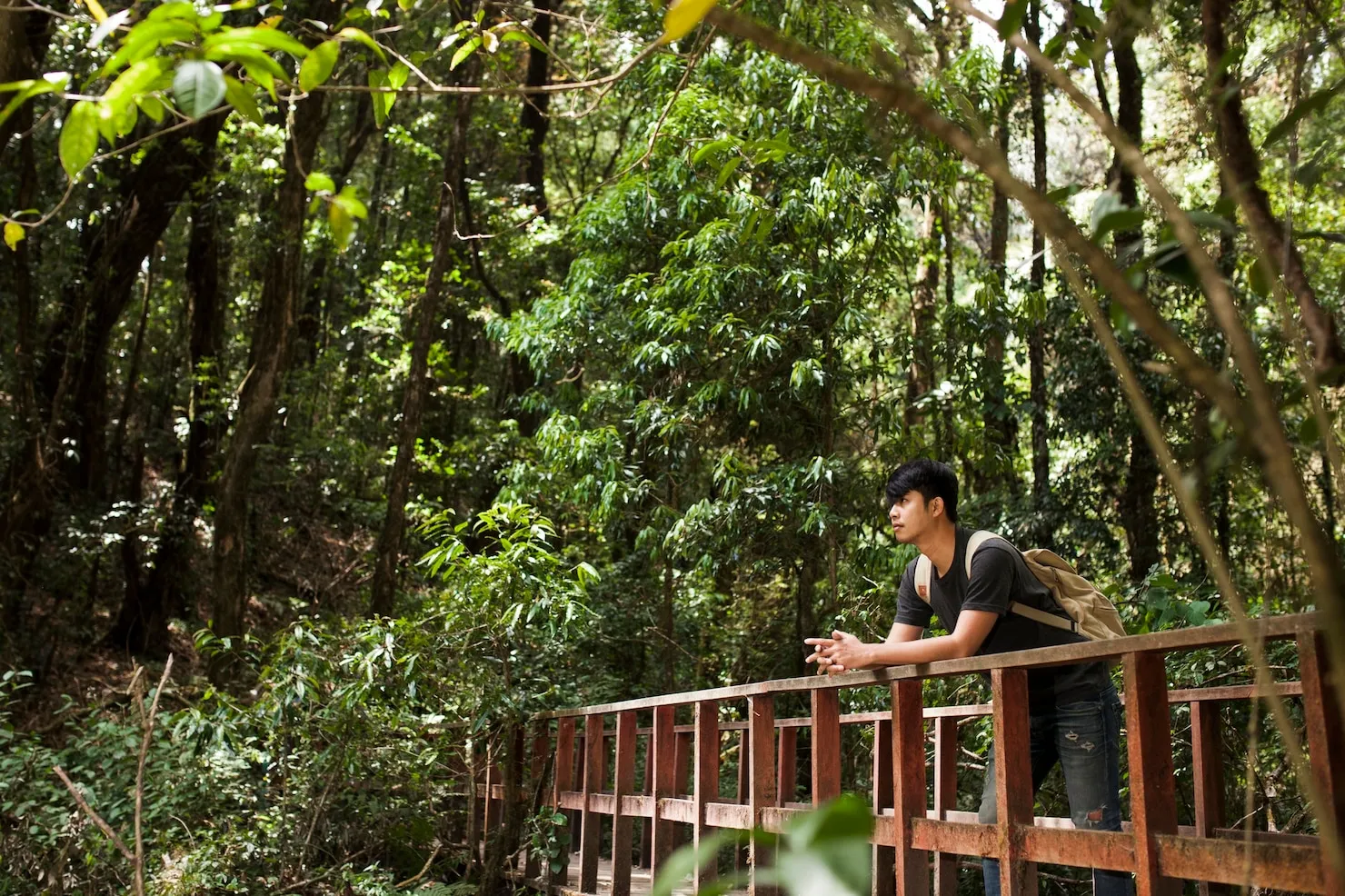
Choosing the right Manu National Park accommodation enhances the journey by placing travelers close to wildlife activity. Most lodges are located along rivers and near trails, where the movement of many animals makes it easy for viewers to access at sunrise. Also, it is easier to spot endangered animals out in the middle of the forest without having to travel long distances.
An important advantage of obtaining suitable accommodation is being able to rest all day and take breaks from exploration. It especially helps people use this time when coming to a warm or wet place.
Staying in Manu National Park Eco Lodges supports conservation and brings travelers closer to nature’s rhythms. These lodges use sustainable practices, blend with the rainforest environment, and offer guided activities that help visitors understand the ecological cycles happening around them.
Guests often describe moments such as waking to bird calls, watching river mist rise at dawn, or hearing nighttime wildlife as defining parts of their journey. Season after season, eco-lodges make the rainforest feel more alive and more personal.
When people plan a trip with Bio Manu Expeditions, they are offered such assistance as choosing an appropriate season, type of accommodation, and tour. The seasoned professionals would find the best time for your engagement, whether it is watching birds, taking photographs, learning about the culture, or more in-depth involvement.
For those who wish to get to know Manu during its cold and wet and hot and dry seasons, choose Bio Manu Expeditions, which will prepare a trip provision that will naturally demonstrate how the Amazon turns in the hands over time.