
Visiting Manu National Park from Cusco can be challenging, as the journey must be divided into several segments and there is no highway. The region where the park stands is quite remote, so reaching it often requires a combination of road and river transport. Any trip to the park starts in the city of Cusco, slowly heading towards the Andes, rising in elevation, and eventually descending into a depression in the Amazon basin.
This gradual movement enables travelers to adapt to the changing scenery, weather, and flora as they move closer to the jungle.
What Happens During the Road Journey From Cusco?
The first stage of this journey starts on the road. It comes from Cusco to pass over a big and rugged mountain pass. In the meantime, the weather changes from cold at high altitude in Cusco to warm and humid when you reach the lower latitudes. The road meanders in and out of cloud forests, and over some valleys that bring marvel about the changes occurring in the land. This part of the trip can last several hours and serves as a transition into the rainforest environment.
Entering the Rainforest by River
After crossing the jungle’s edge, the journey continues along the river. For parts lying further down that cannot be accessed by road, boats serve the purpose. This will give travelers a much more intimate look at the environment behind them. Life in the fauna and flora on the riverside can be observed from a ship as well as inside it, which is a more engaging and fruitful experience.
Why Are Guided Routes Common?
Access is not easy; hence, most tourists prefer to book a tour, such as the Cusco to Manu tour. There are many stages in this process, and permits are required to enter several protected areas, making it impractical to travel unaccompanied by a guide. Self-guided tours can be problematic. They have many entry restrictions and do not offer transportation.
This makes the actual visit and enjoyment of the activities much easier, since everything has been arranged in advance.
Travel Duration and Route Variations
Travel time often depends on how far into the park you want to venture. Some routes cover areas that remain relatively accessible, while others creep through more remote areas. Taking breaks at regular intervals, considering the weather forecast, and monitoring river conditions can all affect the duration of the trip.
Understanding these subtle differences in travel can help you set more realistic plans and select a route that balances your desires with practicality.
How Should You Prepare for the Journey?
As the journey involves changing environments and long hours of travel, preparation is key. It involves the experience of being comfortable starting from square one and ending up there.
Some things to consider also will depend if:
- Packing light but essential items
- Carrying water and basic supplies
- Preparing for long travel hours
- Being ready for climate changes
All of these measures help keep discomfort to a minimum, so you can focus more on the journey.
Conclusion: A Multi-Stage Journey Into the Rainforest
The journey to Manu National Park is well-organized and involves a multi-stage process that includes travel by both road and river, and thus requires proper planning. These sections detail how you move from the Andes to the Amazon of Manu. Travel routes from Cusco to Manu National Park are key to an objective, hassle-free travel experience.
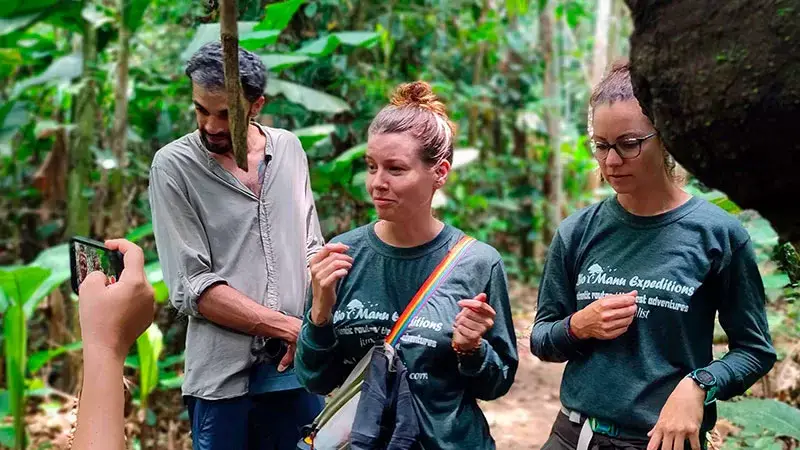
For travelers looking to take this route, Bio Manu Expeditions provides guided support, making every aspect of the trip easier. This allows you to deal with logistics, permits, and travel plans with great dexterity. In other words, you can experience the jungle with confidence and understanding.