
Peru is a country where landscapes shift dramatically within short distances, creating habitats for an incredible range of species. From humid rainforests to high-altitude mountains, each ecosystem supports its own unique wildlife. The study of Peruvian wildlife ecosystems explains why the country has exceptional biodiversity and why its regions exhibit distinct characteristics, often explored through Amazon rainforest eco tours.
The Amazon Rainforest: A Constantly Living Ecosystem
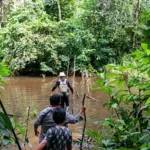
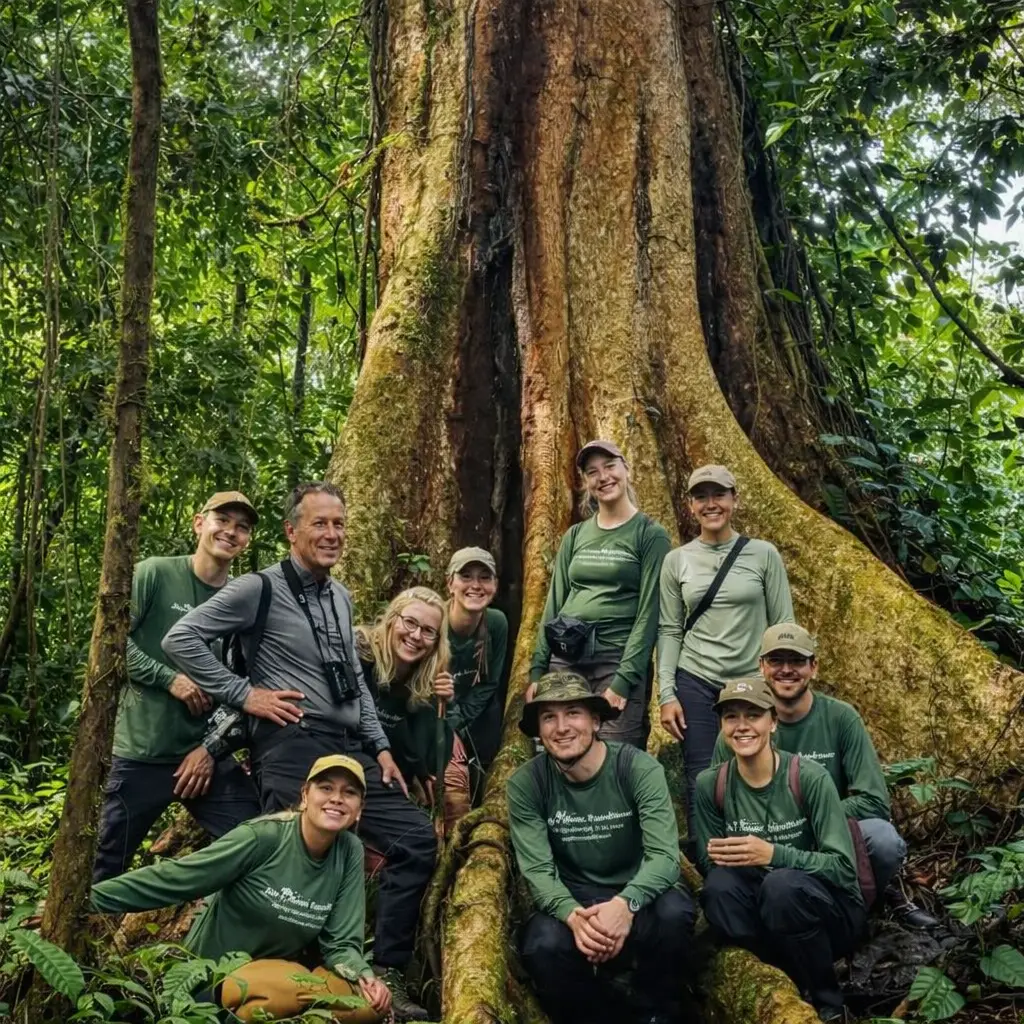
Peru’s Amazon region has dense vegetation, high humidity, and active animal movement. The forest ecosystem consists of multiple life forms that exist from the forest floor to the uppermost canopy.
The area shows constant biodiversity, which never disappears.
You may encounter:
- Scarlet macaws flying in vibrant flocks
- Spider monkeys moving quickly through treetops
- Jaguars are navigating silently along riverbanks
The Amazon thrives because of its stability. The region supports animal population growth and complex species interactions because of its continuous rainfall and abundant food supply. This system is one of Earth’s most diverse ecosystems and a fundamental aspect of Peru’s natural environment.
How Does Wildlife Survive in the Andes?
Life in the Andes region is dependent on altitude and weather. The animals have to adapt to cold, wind, and low oxygen levels.
- Adaptation to the thin air and changing weather
- They all developed coats to help with insulation
- Their bodies are also adapted for breathing in the thin air
The Andes region is quite tough for living things to survive, but the animals have done very well adapting. Condors are seen gliding above valleys using air currents. Vicuna and Alpacas feed on the open grasslands at high altitudes.
Coastal Ecosystem: Life Along the Pacific Edge
The coastline of Peru shows a completely different appearance when compared to its forested areas and mountainous regions. The Pacific Ocean creates an active environment by sending nutrient-rich currents to the land, which appears silent and deserted. The system develops a healthy marine ecosystem that catches most visitors off guard.
The area contains common animal species, which include
- South American sea lions resting along rocky shores
- Humboldt penguins adapted to cooler coastal waters
- Seabirds diving into the ocean for food
The coastal area exhibits desert characteristics but functions as a highly efficient, productive system. Ocean waters sustain all forms of life by demonstrating the interdependence between terrestrial and aquatic ecosystems.
Why Is the Cloud Forest So Unique?
Cloud forest serves as a bridge between the mountain range and the Amazon rainforest. The mist-covered environment makes the area unique.
- Situated between mountains and rainforests
- Misty atmosphere provides a cool and moist climate
- Serves as home to both mountaintop and rainforest animals
It is like an intersection between different environments in the cloud forest. Trees covered in moss and vegetation dominate the scenery.
Wildlife here includes:
- The Andean cock-of-the-rock with its bright plumage
- Amphibians adapted to constant moisture
- Rare orchids growing in thick clusters
The unique location of this ecosystem enables it to sustain species that cannot live in other areas, thus making it one of Peru’s most exceptional ecosystems.
Ecosystem Connections Across Peru
The ecosystems appear separate, yet they are strongly interconnected. The Andes mountains serve as the source of rivers that flow into the Amazon river system, while climate patterns extend their effects to both forested areas and coastal territories.
The connection between these two elements shows that the Amazon rainforest in Peru exists within a larger ecological system. The ecosystems sustain one another, forming an ongoing cycle of life that extends across the nation.
People who understand these connections will better grasp how Peru’s natural world maintains balance through its interconnected ecological systems.
What Should You Expect From a Wildlife Journey?
- Quick transitions between different types of scenery in relatively small areas
- A diverse array of species that live in these ecosystems
- The chance to see wildlife in its native habitat
A journey through Peru can be very exciting and varied. You might be hiking through a thick rainforest today, then scaling mountains tomorrow, or even going out to sea.
Every ecosystem type offers a new perspective, keeping the trip interesting.
Step Into Peru’s Natural World
Peru’s ecosystems combine to create one of the world’s most diverse wildlife experiences. The different regions illustrate how living organisms adapt to environmental changes while maintaining connections with other species, resulting in the various biodiversity hotspots found throughout Peru.
For anyone interested in venturing into these environments, Bio Manu Expeditions offers guided trips led by knowledgeable locals. These guides make the experience of traveling in these distant locations both informed and more exciting through an immersive Amazon Rainforest Peru Tour.
When one travels in Peru with an experienced guide, they can have a true adventure with nature.