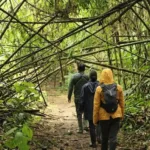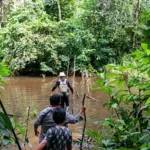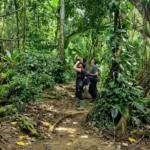

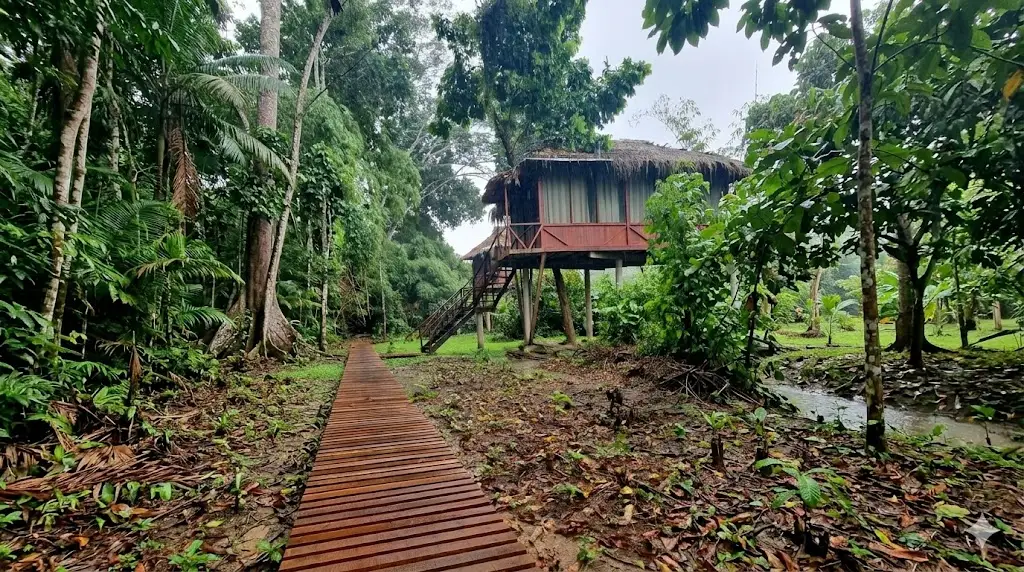
When you stay at a Rainforest Lodge in Peru, it is not about comfort but rather about a quest in the environment. The dawn arrives early, with the forest coming alive: sounds, patches of light, and the movement of branches. In urban centers and most tourist attractions, there are times, particular hours, when everything slows down.
Each hour brings a sequence of occurrences that collectively influence the atmosphere at that time.
What Do You Hear Inside the Rainforest?
Sound is one of the most important parts of the jungle experience. When visibility is restricted, the forest continues to converse.
- Birds begin their calls before daylight fully appears
- Insects create a layered background rhythm throughout the day
- Distant movement in the trees often signals wildlife nearby
During the night, sounds become sharper and more intense. They burst forth, as their appearance is thus heightened without the disturbance of urban noise.
The Atmosphere Changes Throughout the Day
A forest lodge, as one moves forward, presents different dimensions in the morning and in the evening. The scene changes owing to light, temperature, and animal activity.
In the early morning, mist often hangs low across the forest, drawing a veil over the landscape and setting the fauna in motion. When midday arrives, the heat and humidity set in, slowing ambulation to a uniform pace. At dusk, the shadows grow darker, as if the forest is already turning into its night-dwelling mode.
How Does Staying in the Jungle Feel Different?
Unlike city hotels, rainforest lodges place you directly within the natural setting, making you feel surrounded by the environment.
- Open surroundings create a constant connection with nature
- Natural sounds replace artificial background noise
- Daily routines begin adapting to daylight and weather patterns
This creates a travel experience that is more subtle and focused on observation.
The Role of River and Forest Surroundings
Lodges typically sit on the edge of rivers and in thick bush. The surrounding environment virtually shapes the lodge’s role. Water can influence animal movement, humidity, and sound.
In most Peruvian Amazon Trips, river access becomes an ordinary routine. Boats glide silently across the water surface as the surrounding jungle reflects in the water, creating an impression that varies with the weather and lighting.
What Happens After Sunset?
The rainforest transforms completely during the night. As the visible ranges diminish, there is a rise in general awareness and alertness.
- Nocturnal life begins its traverse in the jungle.
- Sounds grow more variegated and directional.
- Cooler air transforms the general atmosphere.
During this season, the experience is often more draining because it depends less on sight and more on sounds and physical activity.
The Pace of Life Inside the Rainforest
Time takes on a completely different meaning when you live in the forest. A life free from instant digital distractions and packed schedules will inherently encourage your mind to focus on observation.
Identifying the small distinctions allows one’s attention to settle:
- Variations in birdcall patterns during different times of the day
- The canopy moves or changes position following the rainfall.
- Sunlight spreads across the dense jungle environment.
By observing pauses and linking various subjects, the passage of time becomes more closely associated with a specific location, making the experience feel more real and concrete.
What Stays With You After the Experience
A rainforest lodge experience seldom has a defining moment; it is created over time through a series of atmospheres, muses, and the slow taking in of the surroundings.
Spending time in the wilderness alters one’s perspective on sound, movement, and quietness. An extraordinary Peru jungle tour provides tourists with opportunities to engage with the rainforest beyond mere visual experiences.
For those seeking deeper immersion in this ecosystem, Bio Manu Expeditions organizes guided rainforest experiences led by local experts who are acquainted with the region’s rhythms and ecologies. Their approach enables visitors to experience the Amazon with greater insight and, consequently, to be in closer contact with nature.