

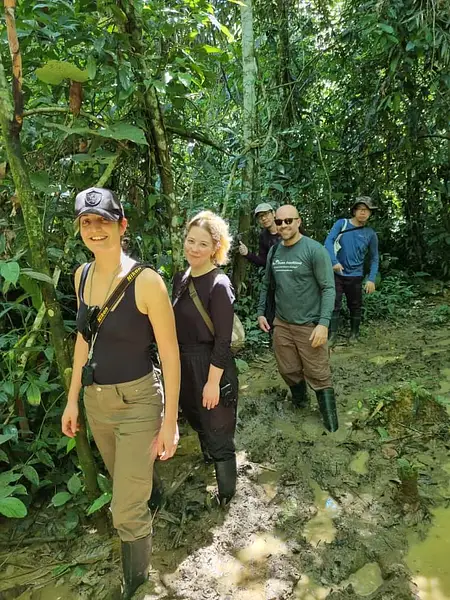
When planning Amazon rainforest tours in Peru, it is not only about choosing a destination. Seasonal changes affect wildlife activity, river conditions, and, in general, the pace of mobility and exploration. This means that each month, a different type of rainforest is present, which determines how the jungle treks, boat trips, and wildlife viewing will be conducted.
Such understanding of seasonal changes makes the journey a welcome one for visitors, allowing them to prepare in advance.
How Seasons Shape Wildlife Encounters
Wildlife behaviour in the jungle follows natural cycles linked to rainfall and temperature. Certain species are present in the area during specific months, creating different viewing experiences.
During the differing seasons, one will notice:
- Increased bird activity in early mornings
- Monkeys and mammals near riverbanks
- Colourful macaws visiting clay licks
- Amphibians and insects are active during wetter periods
- Clearer wildlife trails during drier months
These natural patterns make each visit unique by determining the most likely sights for a visitor.
River Levels And Jungle Access
Rainfall influences river water levels, which in turn shape travel routes and everyday activities. A low water level will provide a dry trekking route, while a higher level of water will allow a boat to reach deep forest territory.
Then expect:
- Easy navigation of boats in wet months
- For trekking in the dry seasons
- Most delightful river cruising through thick forest
- Viewpoints changing from time to time along jungle trails
- Two possibilities of ruvertraveling both by land and water
What Changes Inside The Deep Jungle?
The innermost depths of the rainforests show a noticeable response to seasonal changes. The wetter months, as everyone knows, mean increased tree cover, while the wildlife in the forest adjusts its behaviour to take advantage of food and water resources.
Manu reserved zone tours have their own off-seasons and on-seasons that they promote. Exploring these environments as cloud forests, lowland rainforests, and inlets that change across the seasons.
Choosing The Right Season For Your Travel Style
Each season has unique benefits, so timing is a key factor to consider when planning travel. Depending on comfort preferences, wildlife interests, or activity goals, travellers may choose to visit during specific months.
Think about:
- Dry months for easier use of jungle trails
- Wet months that allow for boating amid thunderous rivers
- Early morning to spot wildlife that is usually in its active phase
- Evening hours for strolling through guided night treks
- Different weather conditions during a season, which affect visibility
All of these help to bundle up the overall rainforest experience.
Timing Your Itinerary For A Smoother Rainforest Experience
The journey unfolds during the rainy season, shaping the behaviour of rivers, animals, and the weather by day and by night, in line with prevailing conditions. Planning keeps visitors stress-free and enjoying themselves, rather than having to change the itinerary at the last minute.
The best time to visit Amazon rainforest depends on your goals: whether you want to roam clearer trails, observe more active wildlife, travel more easily on the rivers, or pursue other interests.
Experiencing The Rainforest At the Right Time
Seasonal knowledge can make a journey into the rainforest fruitful and delightful. From spotting for wildlife or paddling down rivers to staying over at a lodge or going on a guided trek, timing can make or break any adventure.
Bio Manu Expeditions arranges unforgettable jungle experiences for travellers through expert guiding, set transfers from Cuzco, comfortable jungle lodge accommodations, and itineraries tailored to seasonal changes.
Step into a jungle adventure and experience nature coming to life through the seasons, guided by the incredible expeditions offered by Bio Manu Expeditions.