Exploring Peru expedition tours leads to a new horizon, where one is faced with untouched nature and people who maintain their socio-cultural practices. Such trips are not primarily geared towards taking a few pictures. They take one to areas where a traveler should seek; they will encounter unique cultures, species, and forests that are quite out of the ordinary. These expeditions allow visitors to meet people of cultural heritage and witness the natural history of the tropical rainforests of the Amazon in Peru every day.
The rainforest is home to communities whose knowledge has been shaped by centuries of living in harmony with nature. Visiting these areas introduces travelers to skills, traditions, and stories that reflect deep respect for the land.
Through conversations with local families, visitors learn how people use natural materials for medicine, food, and shelter. Observing daily routines—such as harvesting fruits, crafting tools, or preparing meals—provides insight into how culture and environment are woven together. These experiences allow travelers to appreciate the forest not as a backdrop, but as a living partner in community life.
The Amazon is a mosaic of ecosystems, each with its own personality. Expedition routes tend to enter cloud forests, river basins, and the lush lowland rainforests. Changes in altitude, water flow, and vegetation are functional determinants of biodiversity.
Wildlife changes as the geography changes. The canopy is full of colorful birds, the floodplains are occupied by numerous river species, and the forest floor holds shy animals. Experiences in these biomes are beneficial as they show how each component of the rainforest supports the other. These pieces create an intricate, yet extremely successful web of life.
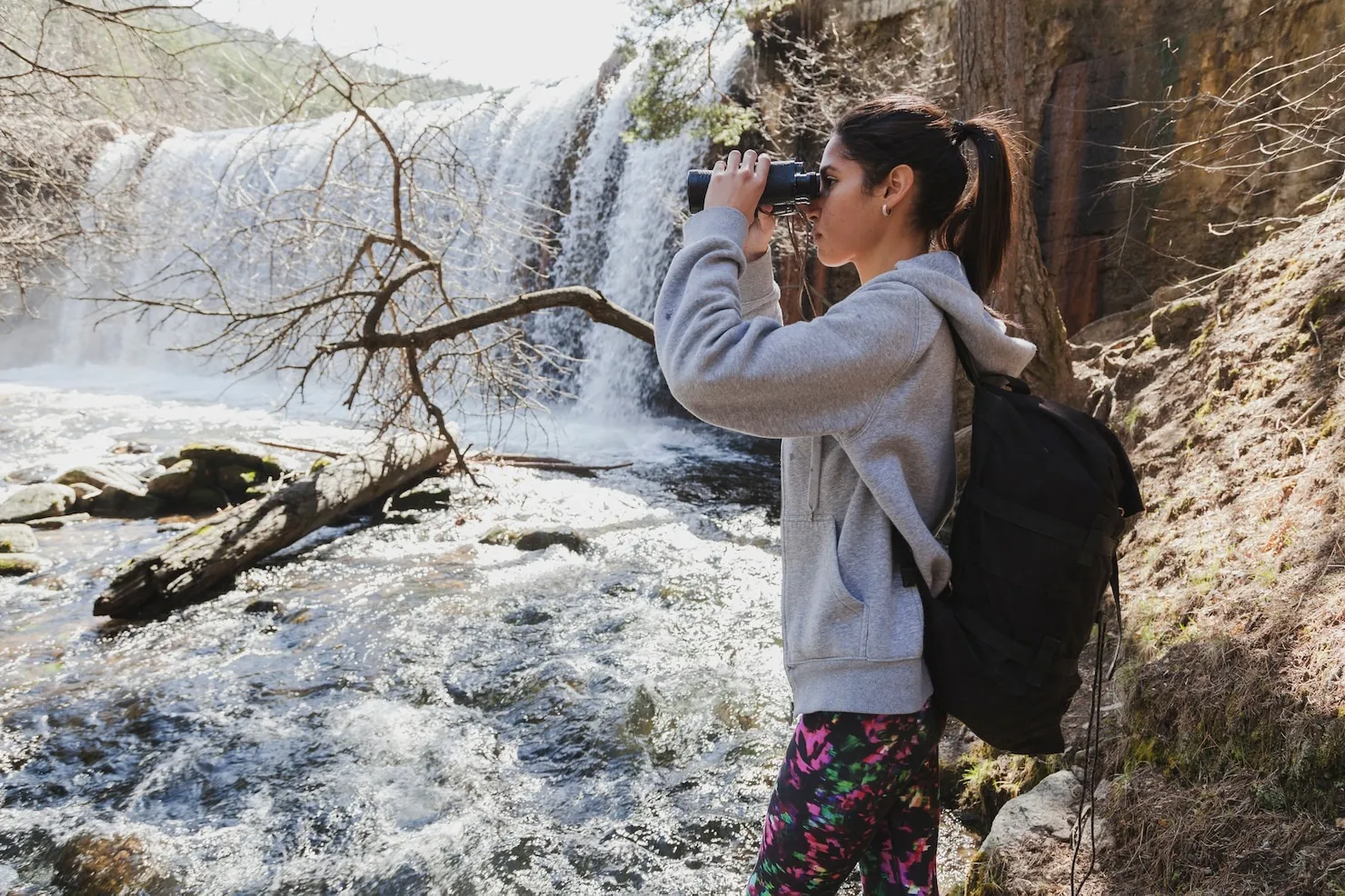
As the expedition progresses, visitors most often seek to join guided tours to explore the environment. Most commonly, a Peru jungle tour allows for opportunities to spot mammals in the jungle, view creatures at night, and understand the interpretations that the animals in the jungle have of the sounds, smells, and movements.
This list of activities showcases the following:
Peru jungle tours come with local guides who, more often than not, explain how local cultures affect the protection of biodiversity in ecosystems. There is always a centuries-old reason why some trees in the community are never cut, why all water bodies are not fished in all seasons, and why resources are extracted only in controlled amounts.
By learning these practices firsthand, travelers understand why cultural preservation is linked to environmental protection. One thing becomes ever so apparent: the survival of this rainforest is attributable to natural processes and community guardianship.
On extended expeditions, tourists can observe the forest at different times of day, take longer routes, or simply stay in one place, watching nature unfold. This is the level at which Peru jungle tours become gratifying, especially because tourists have time to reflect on what they have seen and where each piece of the ecosystem fits into the big picture of the rainforest.
Bio Manu Expeditions offers tours for those who are ready to travel while respecting cultures and the beauty of nature. Such tours aim to provide an authentic perception of the visited region and to preserve the people and the environment as they are, under the local sun. People who travel with them can engage with the community, learn about its ecology, particularly the workings of the forest, and, in general, understand what the Peru area and trips in its rainforests are about.
When you are ready to explore the Amazon, full of stories and ecological realities that speak to it, call Bio Manu Expeditions to organize such trips, full of knowledge and passion, with elements that leave a mark.